How much does your fleet cost? Fleetsys 7 tells you in detail
Accurate fuel management and total control, from the pump to cloud-based software. Petrotec’s system helps fleets run more efficiently.
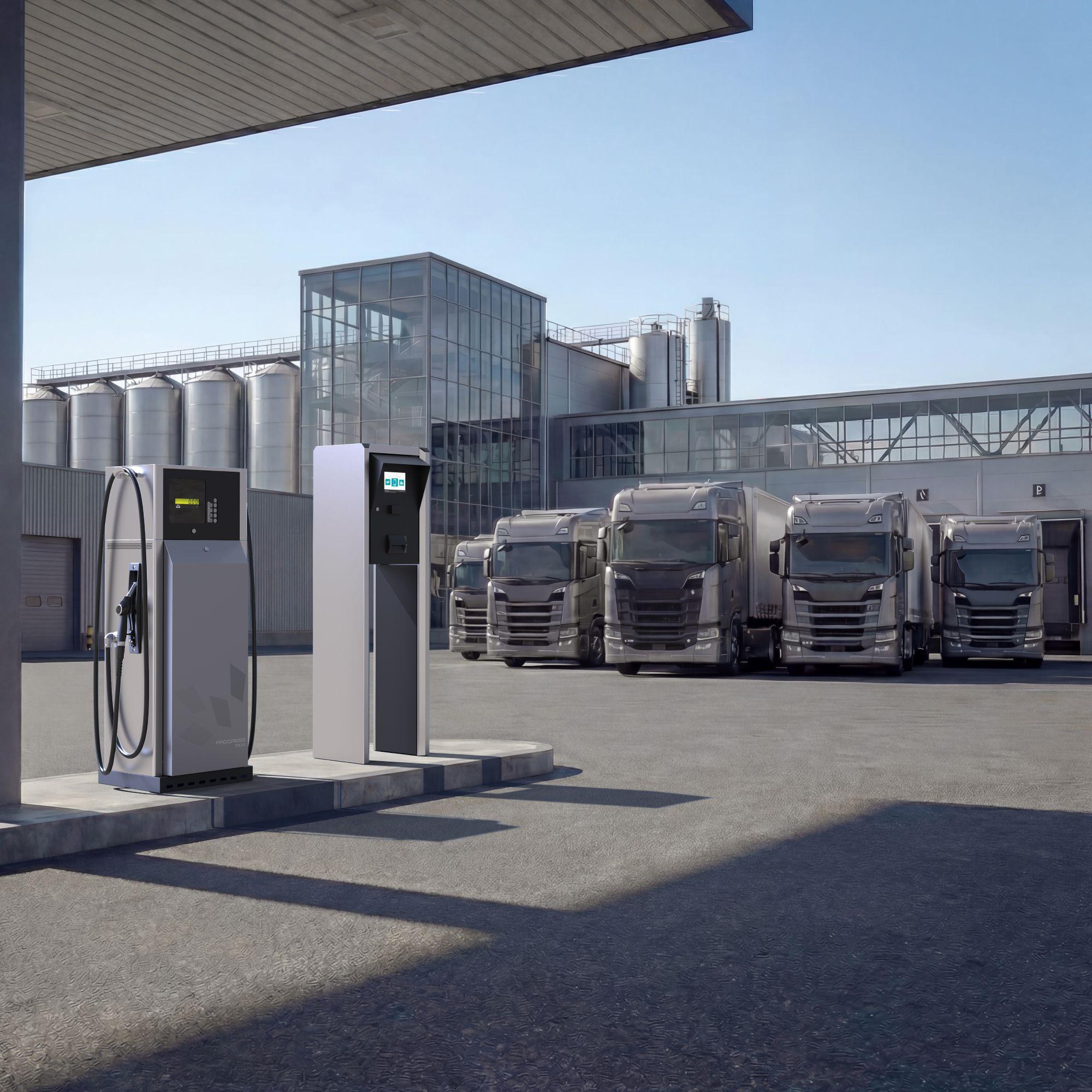 Fleetsys 7 integrates fuel dispensing control with cloud-based fleet management.
In a context where fuel is one of the largest components of a fleet’s operating costs, the difference between truly managing fuel and simply refuelling can amount to thousands of euros per year.
It was precisely to address this challenge that Petrotec developed Fleetsys 7, a system designed to enable more efficient fuel management, supported by up-to-date technology, a renewed design, and modern software.
The solution is aimed at fleet companies and commercial organisations of all sizes, with the goal of reducing fuel expenditure and creating operational efficiencies through integration and automation.
A complete solution
Fleetsys 7 is positioned as a complete solution that integrates operations at the refuelling point with cloud-based management software. The goal is to ensure accurate and effective fuel management, enabling full control of a private station or a network of internal stations.
The combination of dedicated hardware, modern software and cloud integration ensures transaction accuracy, waste reduction, and greater operational efficiency.
Reliability, flexibility and the adoption of modern technologies support this integrated approach, connecting the physical refuelling infrastructure to a digital system for control and analysis.
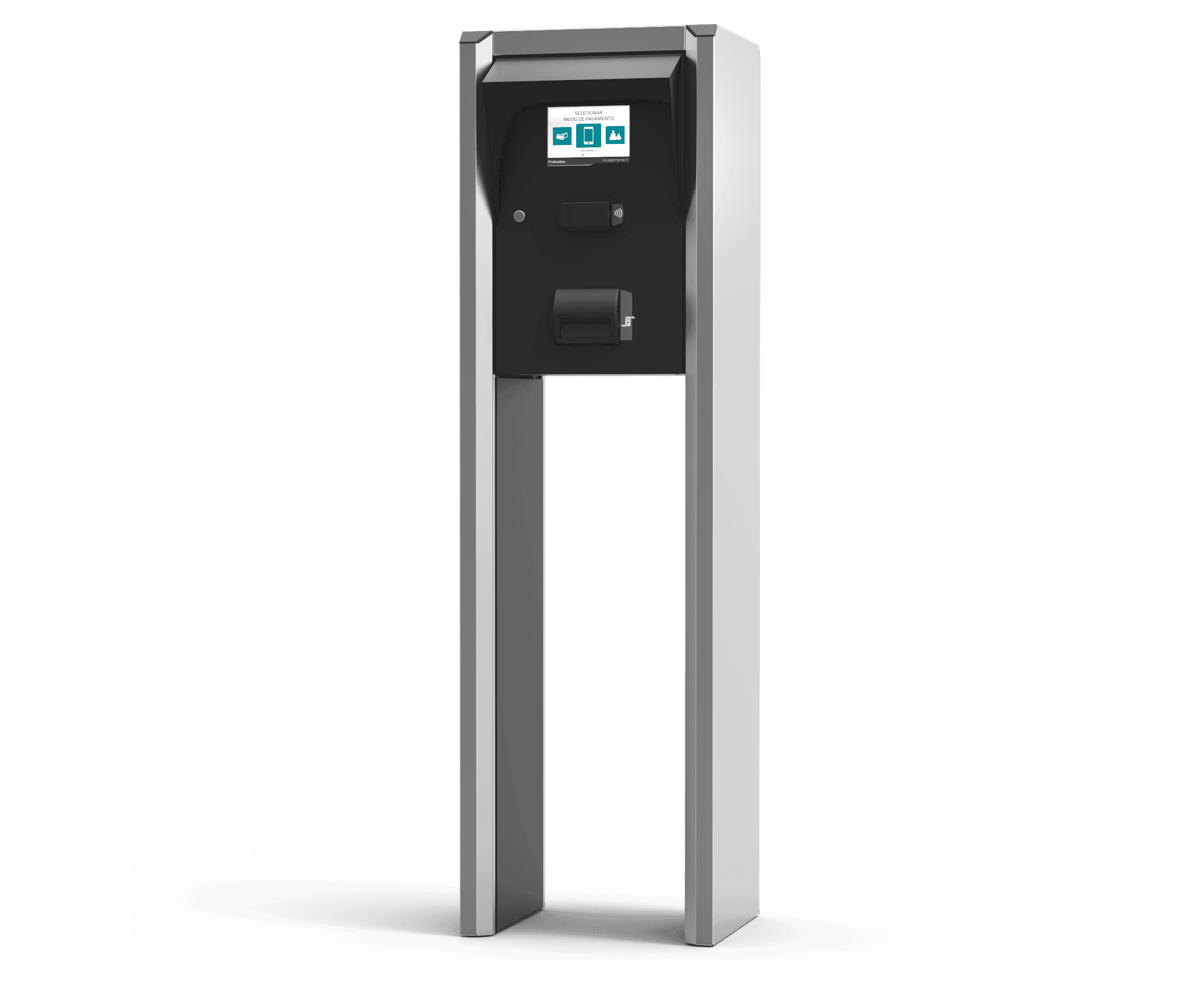 Fleetsys 7 Pedestal: compact stainless-steel terminal for demanding environments.
Fleetsys 7 Pedestal
In the Pedestal version, Fleetsys 7 features a compact design, built in stainless steel and prepared for demanding environments. The system is designed to control multiple fuel pumps while ensuring a simple, intuitive user experience.
It includes a backlit LCD touchscreen, an RFID or Mifare reader, and online authorisation. Depending on the hardware interface, it can connect to four to eight fuel pumps.
In terms of connectivity, it offers Ethernet, 4G/5G and Wi-Fi, and can also integrate an optional 80 mm thermal printer and ATG connectivity. For user identification, it supports magnetic stripe cards, RFID and Mifare, adapting to different internal refuelling management policies.
DIT versions integrated into the pump
For operations that prefer an even more integrated solution, Fleetsys 7 DIT 1000 and Fleetsys 7 DIT 1500 versions are available, combining a robust fuel pump with a modern fleet management terminal.
Available in P1000 and P1500 formats, as single or dual pump and for diesel or gasoline, these versions integrate both the refuelling infrastructure and the identification/management system in one unit.
Key benefits include the pump and fleet management terminal integrated into a single unit, the ability to handle high vehicle throughput, and flexible, powerful and intuitive operation with an attractive user interface.
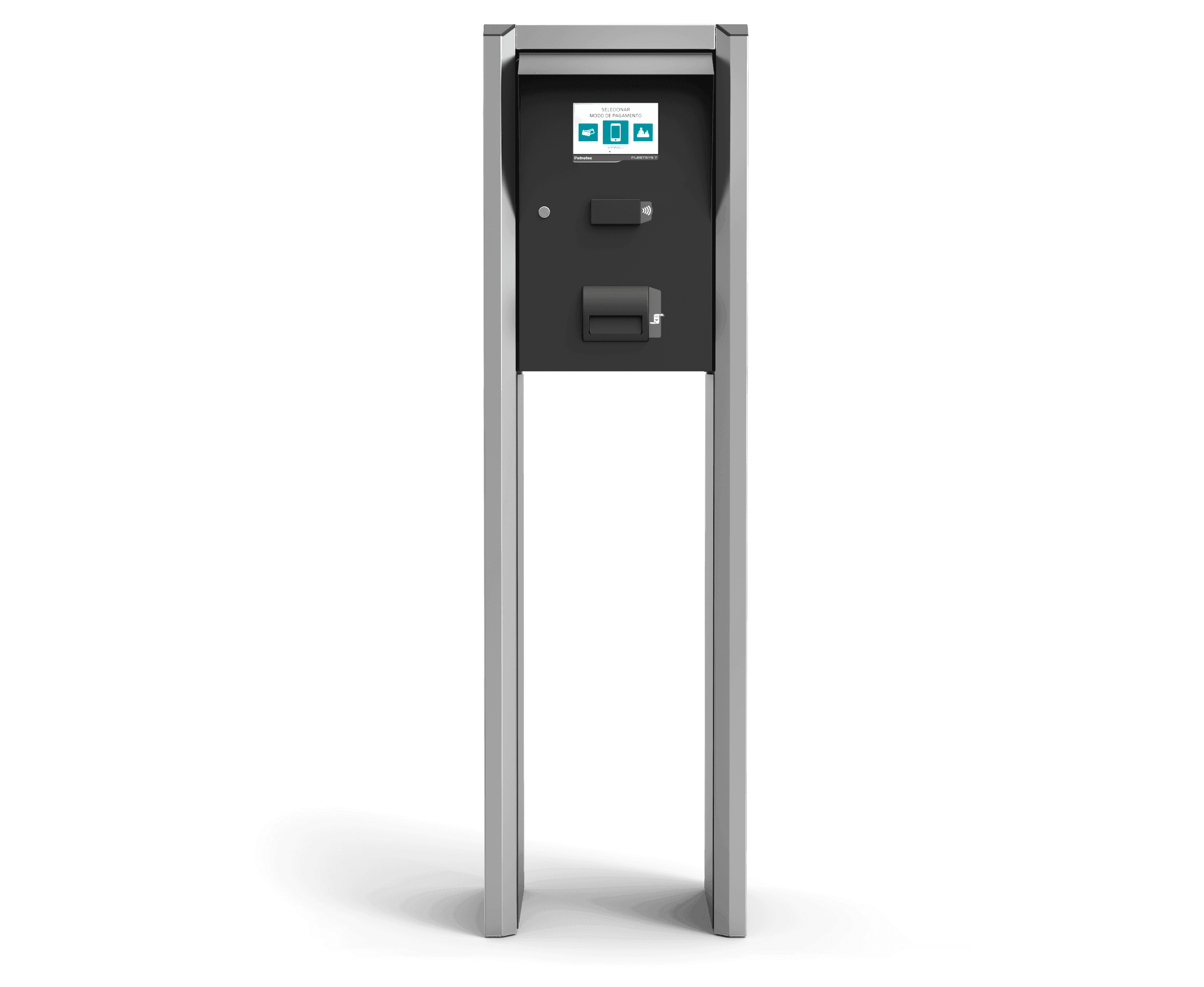 Fleetsys 7 DIT integrates the pump and fleet terminal into a single unit.
As with the pedestal version, connectivity includes Ethernet, 4G/5G and Wi-Fi, with optional integration of an 80 mm thermal printer and ATG connectivity. The system also supports magnetic stripe cards, RFID and Mifare for user identification and control.
Managemet software: cloud or local (on-premises)
The strategic dimension of the solution lies in the Fleet Manager module, integrated into the PCS ecosystem (Petrotec Cloud Services). The platform is designed for cloud deployment (SaaS), and is also available for local installation (on-premises), accessible via any internet browser. It enables centralised management of one or multiple refuelling sites and includes a customisable, configurable report generator.
The system includes quick export to spreadsheets and a built-in API for integration with fleet management software or financial systems.
From a functional perspective, the system allows you to create authorised driver and vehicle lists, group vehicles according to company-defined criteria, and set transaction limits and restrictions per card or customer, with real-time operation logging.
The platform also includes odometer and engine-hours data capture, the definition of cost centres and activity codes, multi-dimensional reporting (such as by driver, vehicle, product, location or department), and fuel inventory management.
In this way, Fleetsys 7 positions itself as a comprehensive management tool, capable of connecting physical refuelling infrastructure to digital control. For companies with their own fleet, the question is no longer just how much is refuelled. It becomes how much is controlled.
Related
Read all news
Petrotec Group surpasses £38 million in UK turnover with strategic acquisition of Premier Forecourts & Construction

Fuel Systems for Critical Infrastructure: Petroassist’s Expertise in High-Availability Environments
Petrotec Group @ Motortec 2025
1st Axon Hackathon marked the beginning of something much bigger
From Fuel to Future: Highlights from UNITI 2024
Petrotec Group received Repsol team